Know the default expectations
In most U.S. and Canadian cities, 18-20% is the common range for full-service restaurants. Quick‑service spots may suggest 10-15%, while takeout counters often set suggested lines but don’t require them.
Reading the prompts
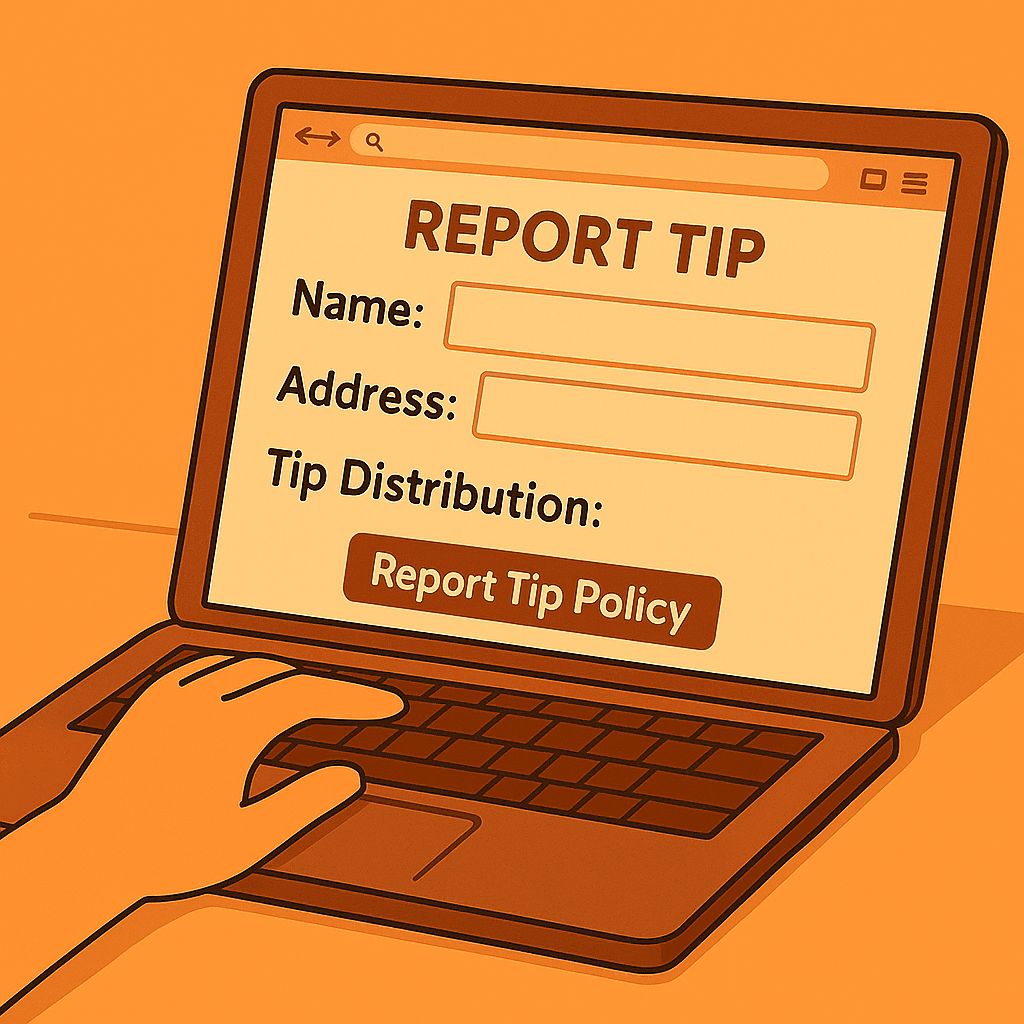
- Pre‑tax vs. post‑tax: Some terminals calculate on the total (post‑tax). If you want to tip pre‑tax, look for a custom amount option.
- Service charges: A “service fee” isn’t always a tip. Some venues add a 15–20% fee and still expect optional tipping. Read the fine print or ask.
When to adjust up or down
- Increase for large tables, split checks that add work, or standout service.
- Adjust down when a service charge already covers staff or when you’re mainly buying retail goods (e.g., merch plus a small coffee).
Cards vs. cash
Digital is common, but a small cash tip can ensure staff receive the full amount in places where pooled tips or processing fees apply.
At non‑restaurant spots
- Cafes and bakeries: 10–15% is common if you order drinks made to order; less for simple retail-only purchases.
- Hair and personal care: 15–20% is typical for cuts, color, or treatments.
- Hotels: A few dollars per bag for bell staff; a few dollars per night for housekeeping, left daily.
Quick checklist before you pay
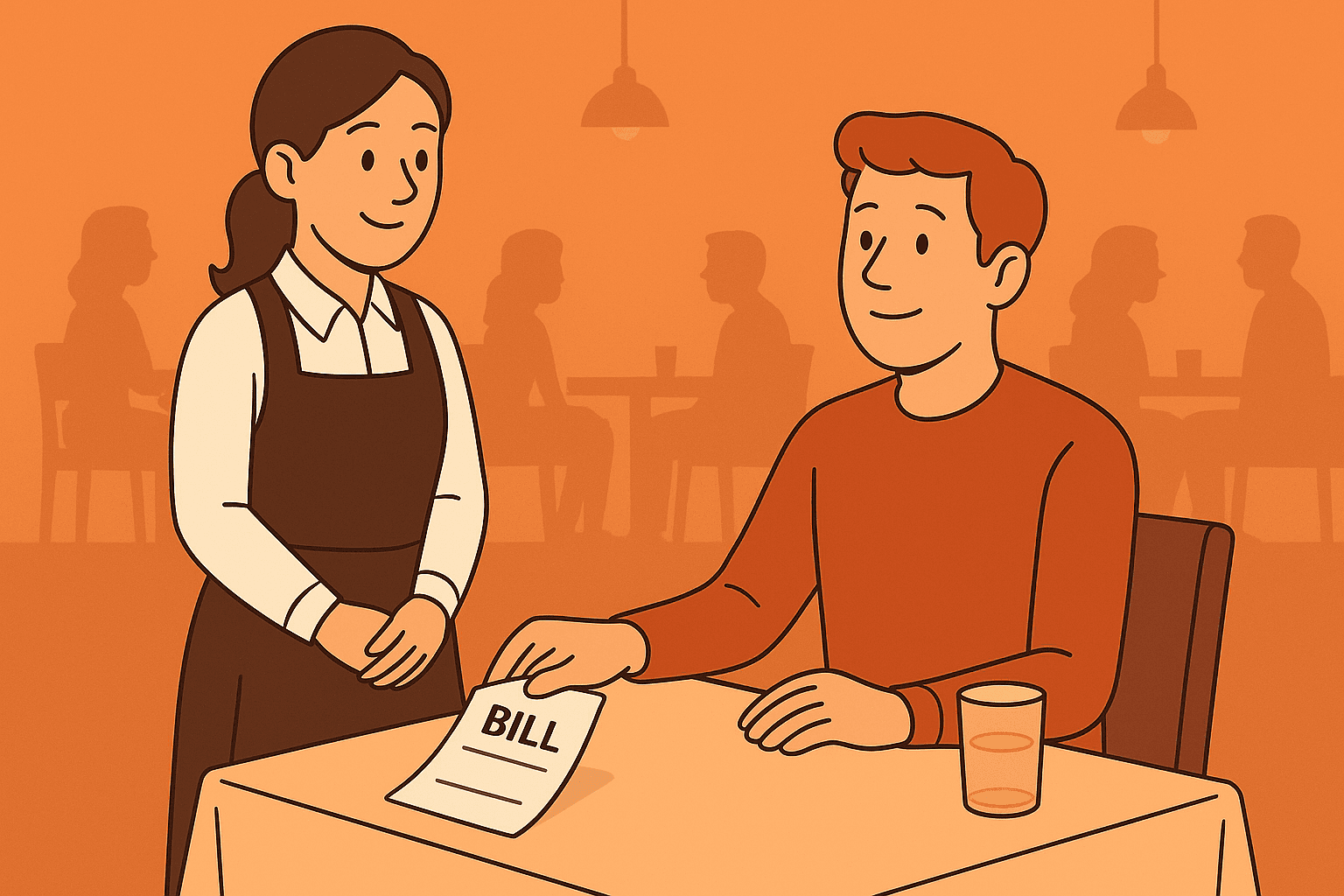
- Check if there is already a service fee on the bill.
- Decide pre-tax or post‑tax tipping.
- Use custom amounts if suggested buttons look too high or low.